
What to Pack for Auckland
Complete packing checklist tailored to Auckland's climate and culture
Climate Overview for Auckland
Auckland weather is temperate maritime, which means four distinct seasons inside a mild range. Expect humid air most of the year. The wind is a constant character, a salty breeze sweeping in from the Hauraki Gulf, capable of whipping up suddenly. Skies shift from brilliant blue to grey cloud in minutes. This changeable climate demands layers. Rain is frequent yet brief, leaving pavements gleaming and the air smelling of wet earth and salt. Summers bring warm sun and longer days. Winter nights carry a distinct chill. Pack for all conditions within one day.
Clothing & Footwear

The terrain in Auckland involves volcanic cones, coastal paths, and paved urban slopes. Your feet will feel the strain of climbing Mount Eden or wandering the waterfront. Shoes with solid support are non-negotiable.

Auckland's humidity can leave you feeling damp. Quick-dry fabric helps manage moisture during active days exploring the Waitakere Ranges or after a sudden rain shower in the city.

Maximizing luggage space is key for Auckland's climate, which requires layers for warmth and waterproof items. These cubes let you organize a versatile wardrobe without overpacking.

Essential for Auckland day trips. You will hear the crinkle of your rain jacket inside it as you head to Waiheke Island or feel its weight with a picnic lunch for a hike up One Tree Hill.
Electronics & Gadgets

New Zealand uses Type I plugs. This specific adapter ensures your devices charge in Auckland hotels and cafes, where you might see the distinct angled pins.

Long days out from Auckland, whether sailing in the gulf or hiking in the regional parks, drain phone batteries used for navigation and photos. This provides necessary backup power.
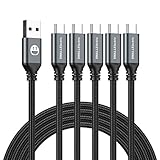
Durability matters for Auckland adventures. A braided cable resists damage in a daypack stuffed with a damp jacket or sandy towel from a west coast beach.
Older Auckland accommodations may have limited outlets. This unit allows simultaneous charging of phones, cameras, and power banks after a full day of exploration.
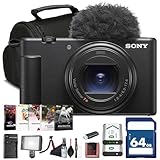
Captures the sharp contrast of Auckland's black sand beaches against green cliffs, or the deep blues of the Hauraki Gulf, without the bulk of professional gear.
Toiletries & Health

Keeps liquids contained and visible for both your international flight to Auckland and any subsequent domestic New Zealand flights you might take.

Useful for treating minor scrapes from Auckland's volcanic rock paths or blisters from urban exploration. It provides immediate care before finding a pharmacy.
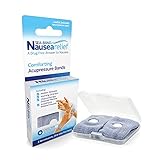
The ferry ride to Auckland's Rangitoto Island or a day cruise on the gulf can involve swells. These offer drug-free relief if you feel the uneasy pitch of the boat.

Eliminates liquid spill risks in your luggage. The compact bars are good for Auckland, where you might move between city hotels and remote coastal lodges.
Documents & Security

Provides organized protection for your passport, New Zealand arrival card, and printed itineraries for Auckland attractions as you navigate the busy international airport.

Secures your checked luggage on the long flight to Auckland and can also be used on lockers at some Auckland hostels or activity centers.
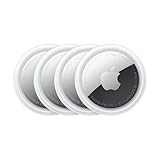
Offers peace of mind for tracking luggage on the lengthy journey to Auckland, where bags are sometimes delayed due to tight flight connections.
Comfort & Convenience

Auckland summers bring early dawn light. This mask helps you sleep after long flights across time zones and during bright mornings in your accommodation.

Blocks out the sound of Auckland city traffic, overnight rain on a tin roof, or noisy companions in shared transit to coastal trailheads.
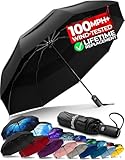
Auckland rain is frequent and often wind-driven. A sturdy, compact umbrella shields you from sudden downpours while walking along Queen Street or waiting for a ferry.

Auckland tap water is clean and tastes fresh. This bottle saves you money, reduces plastic waste, and packs flat when empty during a hike or museum visit.

Useful for carrying groceries from an Auckland farmers' market, wet swimwear from a west coast beach, or souvenirs from the Viaduct Harbour shops.
Outdoor & Hiking Gear

Provides stability on the steep, often slippery clay tracks of Auckland's regional parks like the Waitakere Ranges, where you feel the strain in your knees on descents.
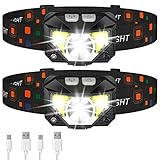
Essential for safety on Auckland trails if your hike runs long, or for exploring lava caves on Rangitoto Island where you see only the circle of light ahead.
Seasonal Packing Adjustments
What to add or skip depending on when you visit
Summer
December, January, February
Add: High-factor sunscreen, Swimsuit, Sun hat, Aloe vera gel
Shop Summer essentials →Skip: Heavy winter coat, Thermal base layers
Auckland sun is intense. You will feel its strength on the water and smell the coconut scent of sunscreen mixed with salt air. Even cloudy days carry high UV levels.
Autumn
March, April, May
Add: Medium-weight jacket, Light gloves, Light beanie
Shop Autumn essentials →Skip: Beach towel, Straw sun hat
Mornings and evenings in Auckland grow crisp. You see the mist hanging over the Waitemata Harbour and feel a coolness in the air, though daytime walks can still be warm.
Winter
June, July, August
Add: Insulated waterproof jacket, Fleece layers, Scarf, Thermal underwear
Shop Winter essentials →Skip: Light linen clothing, Singlets
The chill in Auckland is damp and penetrating, near the water. You hear the wind whistle between buildings. Indoor venues are often heated, so layering is important.
Spring
September, October, November
Add: Packable rain jacket, Waterproof shoes, Light layers
Shop Spring essentials →Skip: Heavy winter insulation, Thick scarves
Auckland spring is wildly changeable. You might smell blooming jasmine in a sunny park, then feel a cold squall roll in minutes later. Be ready for all conditions.
Luggage Recommendation
Travel light. A carry-on sized spinner suitcase glides over Queen Street pavers and rolls through hotel lobbies without effort. Pair it with a versatile daypack for daily missions. Stuff in a rain layer, camera, water bottle, snacks. City focus plus day trips equals mobility. Planning multi-day hikes beyond Auckland? Check a bigger backpack. Otherwise stay nimble. Pack once. Move fast.
Shop Carry-On Luggage on AmazonPro Packing Tips
Practical advice from experienced travelers
Don't Pack
- Heavy winter boots. Auckland winters are wet, not frozen. A pair of waterproof leather shoes or sneakers is typically sufficient for the city.
- Large bottles of shampoo or conditioner. These are weighty and easily purchased at Auckland supermarkets like Countdown or pharmacies like Chemist Warehouse.
- A full roll of paper towels or napkins. Accommodations provide these, and cafes always have supplies. Save the space.
- An excessive supply of snacks. Auckland has superb local markets like the City Farmers' Market and countless bakeries with savory pies and sweet treats.
- Beach towels. Most Auckland accommodations provide them, and they are bulky. If needed, you can buy a cheap one at The Warehouse or Kmart.
- A hairdryer. Virtually every hotel, motel, and hostel in Auckland provides one.
Buy Locally
- A local SIM card or eSIM for data. Purchase at the airport upon arrival from providers like Spark or One NZ, or from their retail stores in the Auckland CBD.
- Pack insect repellent with high DEET content. Sandflies lurk in the Waitakere Ranges. Grab a fresh bottle at an Auckland pharmacy. Locals swear by the brands on the shelf. Reapply often. It works.
- Bring a reusable coffee cup. Auckland runs on flat whites and long blacks. Pick one up at Allpress on Drake Street. Baristas smile when you hand it over. Less trash, better coffee. Simple.
- Do not forget a New Zealand plug adapter. Left yours at home? No drama. Dick Smith and JB Hi-Fi sell them cheap. Every mall has one. Grab it, plug in, charge.
Packing Hacks
- Roll clothes instead of folding to save space
- Pack shoes in shower caps to protect clothes
- Use packing cubes to stay organized
- Keep essentials in your carry-on
Continue Planning Your Trip
More guides to help you prepare
Ready to plan your trip to Auckland?
Now that you've got the research covered, here's where to go next.